Machining
CNC turning
Shafts, bushings, pins – from sample to series.
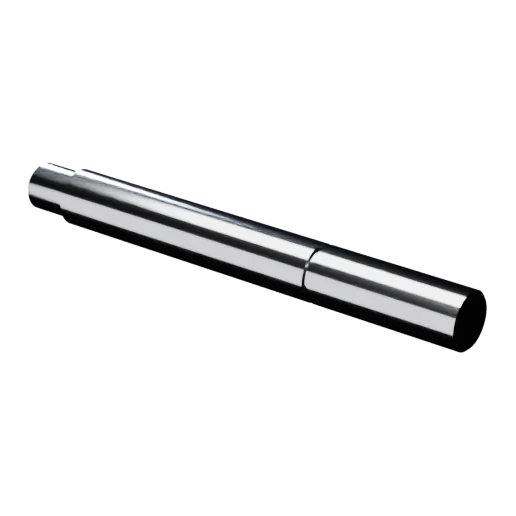
Process
How a part is made.
- ProgrammingThe CNC program is created from your STEP model and drawing; clamping and tools are defined.
- TurningThe bar or blank rotates; outer and inner contours, grooves and threads are produced in one setup.
- Complete machiningTurn-mill centres produce cross holes, flats and keyways without re-clamping.
- Inspection & finishingDimensional inspection and deburring, then surface treatment – e.g. zinc plating, black oxide, anodising or passivation.
Materials
Which materials are common?
| Material | Examples | Typical application |
|---|---|---|
| Free-cutting steel | 11SMnPb30, 11SMn30 | Pins, bushings, high-volume parts |
| Heat-treatable steel | C45, 42CrMo4 | Shafts, highly loaded axles |
| Stainless steel | 1.4305, 1.4301, 1.4404 | Food, medical, corrosive environments |
| Aluminium | EN AW-6082, EN AW-2007, EN AW-7075 | Lightweight parts, housings, adapters |
| Brass | CuZn39Pb3 | Fittings, contacts, connectors |
| Plastics | POM, PA, PEEK | Sliding elements, insulators, samples for moulded parts |
Guide values
Tolerances and finishes
| Feature | Guide value |
|---|---|
| General tolerance | ISO 2768-m (standard), -f on request |
| Fits | typically IT7 – IT8, finer by grinding |
| Roughness | Ra 0.8 – 3.2 µm, ground down to Ra 0.4 µm |
| Threads | metric, imperial, fine threads – internal and external |
| Finishes | Zinc plating, black oxide, nickel plating, anodising, passivation, hardening |
| Inspection | First articles with measurement report, material certificate to EN 10204 on request |
* Typical guide values. What applies to your part we confirm in the quote based on the drawing.
Design
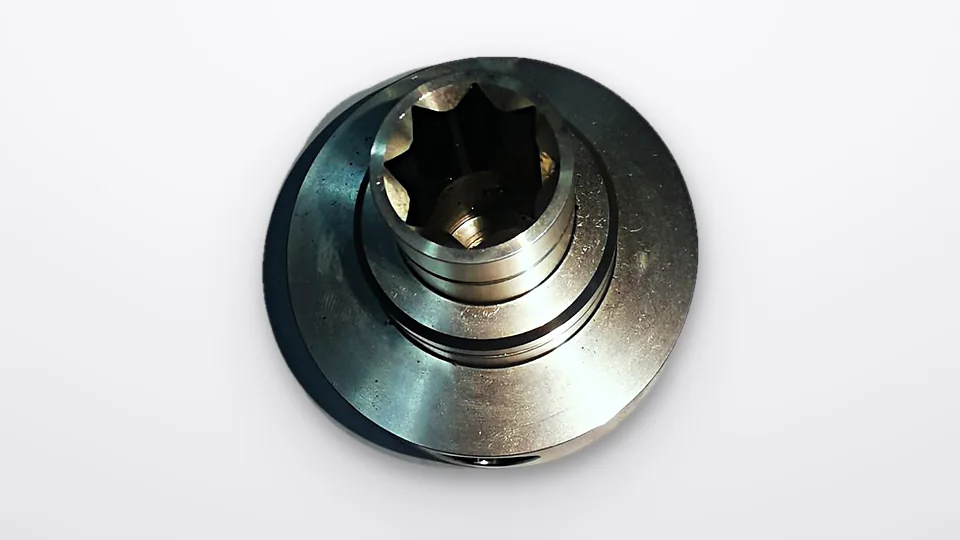
Six rules for cost-effective parts.
Most costs are fixed in the design. We check these rules in every quote as DFM notes.
What drives the price
- Material and bar diameter
- Machine time per part (contour complexity, threads, cross holes)
- Setup cost – spread over the batch size
- Tolerances, surface quality, secondary operations and coating
FAQ
Questions about cnc turning
From what quantity does CNC turning pay off?
From one piece, because no tooling is required. For very high volumes of simple parts (e.g. bushings above 10,000 pieces per year) it is worth comparing with sintered parts.
Which documents do you need for a quote?
A 3D model in STEP format and a 2D PDF drawing with tolerances, material, finish and annual quantity.
Can turned parts have milled features?
Yes. Turn-mill centres produce cross holes, wrench flats and slots in the same setup, avoiding position errors.
Other processes:
From the factory
What CNC turning looks like in production.
Original footage from the Schutawill company video – the machines and people who make your parts. No sound.
Your drawing.
Our quote.
Upload STEP or PDF – you receive feasibility, process, tooling cost, unit price and lead time.
Upload a drawing- Quote with DFM notes – non-binding
- NDA before the first exchange
- First articles with measurement report